Categories
Cybersecurity Governance Risk & Compliance Legal

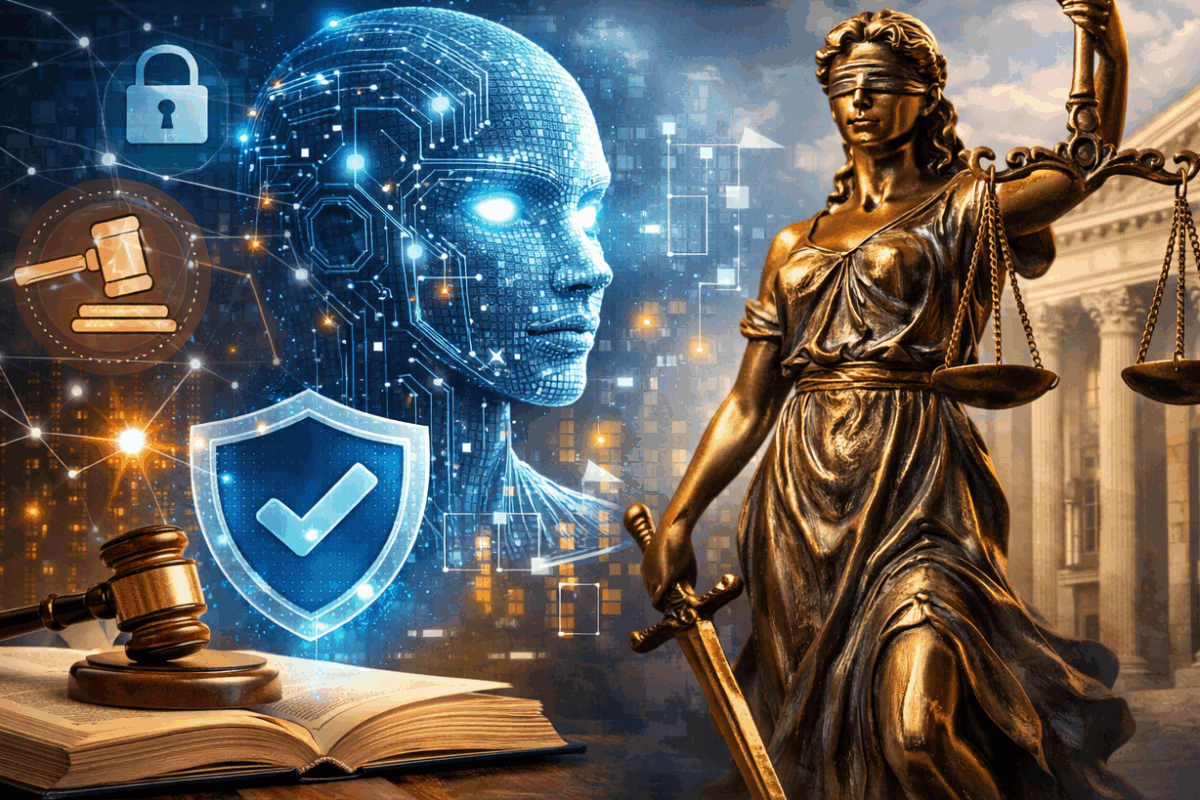
Protecting Your Reputation When Integrating AI into Legal Workflows

Understanding the Real Risks of AI in Legal Practice

The integration of artificial intelligence into legal workflows is revolutionizing the way attorneys, paralegals, and law firms operate. Yet, beneath the promises of efficiency and cost-effectiveness, there lies a landscape marked by nuanced risks that can impact not only the outcomes of legal work but also the reputation of practitioners. Understanding these risks is essential for legal professionals seeking to harness the power of AI responsibly.

Accuracy and Reliability Concerns

AI-powered tools, while capable of processing vast amounts of data at remarkable speeds, are not infallible. Their effectiveness hinges on the quality of their training data and the algorithms guiding their analysis. Inaccuracies can arise from outdated information, biased datasets, or algorithmic errors, leading to flawed legal research, misapplied precedents, or even erroneous contract analysis. Such mistakes have the potential to undermine case strategy, damage client trust, and expose firms to professional liability.

Ethical and Confidentiality Challenges

The legal profession is built on a foundation of confidentiality and ethical standards. When integrating AI into sensitive workflows, there is a risk that proprietary client information may be inadvertently exposed. Unsecured AI platforms or insufficient data governance can result in data leaks, breaches of attorney-client privilege, or unauthorized access to confidential materials. These breaches not only threaten legal outcomes but can also irreparably tarnish a firm’s reputation.

Maintaining Professional Judgment

AI can streamline tasks, but over-reliance on automated systems risks eroding the critical thinking and professional judgment that define expert legal counsel. Delegating too much responsibility to AI can lead to oversights, missed nuances in case law, and a diminished standard of care. Legal professionals must remain vigilant, ensuring that technology is used as a tool to enhance—not replace—their expertise.

By recognizing these real risks, legal practitioners can take proactive steps to safeguard their reputation while reaping the benefits of AI integration.

Aligning AI Adoption with Professional Responsibilities

Integrating artificial intelligence into legal workflows is not simply a matter of technological innovation—it is a profound shift that directly intersects with the core responsibilities of legal professionals. The legal field is grounded in principles of client confidentiality, duty of competence, and unwavering ethical standards. As AI tools become more prevalent in legal research, document review, and client communications, lawyers must evaluate each adoption decision through the lens of their professional obligations.

Upholding Ethical Standards

Every step toward AI integration must be scrutinized for its impact on core ethical duties. Client confidentiality is paramount; lawyers must ensure that any AI-driven process or platform rigorously safeguards sensitive information. This may involve vetting software for robust encryption, confirming compliance with data privacy regulations, and limiting third-party access. Moreover, the duty of competence extends to technology itself—legal professionals are expected to understand the capabilities and limitations of the AI tools they deploy, ensuring these systems are used appropriately and do not inadvertently compromise client interests.

Maintaining Accountability and Transparency

AI can streamline many tasks, but ultimate accountability rests with the attorney. Document automation, predictive analytics, and AI-powered research should enhance, not replace, human judgment. Lawyers must remain transparent with clients about the use of AI in their cases, explaining how these tools augment their work while preserving the integrity of their counsel. This transparency not only builds trust but also mitigates the risk of reputational harm should errors or misunderstandings arise from AI-generated outcomes.

By aligning AI adoption with professional responsibilities, legal practitioners can harness innovation while fortifying the reputation and trust at the heart of their practice—setting the stage for ethical, future-ready legal services.

Ensuring Client Confidentiality and Data Security with AI

In the legal profession, the sanctity of client confidentiality stands as a bedrock principle, underpinning trust and the ethical obligations attorneys owe to their clients. As artificial intelligence (AI) becomes increasingly woven into legal workflows, safeguarding sensitive information assumes heightened importance. Integrating AI tools—from contract analysis platforms to legal research assistants—offers remarkable efficiencies, but also introduces unique challenges in maintaining data security and client privacy.

Understanding the Risks

AI systems process vast quantities of data, including confidential client documents, personal information, and privileged communications. Without stringent safeguards, these technologies may inadvertently expose sensitive data to unauthorized parties, whether through external breaches, internal mishandling, or even through the AI’s own learning processes. The risk is not solely theoretical; data leaks can have catastrophic consequences, including reputational damage, loss of client trust, and even legal liability.

Best Practices for Safeguarding Information

  • Due Diligence on AI Vendors: Select AI partners with robust security protocols, including data encryption, regular security audits, and compliance with legal industry standards such as GDPR or HIPAA where applicable.
  • Access Controls: Restrict system access to authorized personnel and implement multi-factor authentication to prevent unauthorized entry.
  • Data Minimization: Limit the information shared with AI tools to what is strictly necessary for the task, reducing the risk footprint.
  • Continuous Monitoring: Employ real-time monitoring to detect suspicious activity and promptly address potential vulnerabilities.

Vigilance in client confidentiality and data protection is not optional; it is a professional imperative. By establishing clear protocols and embracing security-first AI integration, legal professionals can harness the benefits of technology without compromising the reputation and trust that are the hallmarks of their practice.

Reducing Manual Overhead without Compromising Accuracy

Integrating artificial intelligence into legal workflows offers a transformative opportunity to streamline operations, but the paramount concern remains: how to achieve greater efficiency without sacrificing the high standards of accuracy upon which legal reputations depend. As law firms and legal departments seek to minimize manual overhead, the adoption of AI-powered tools presents a compelling solution, provided that these tools are implemented with careful oversight and clear protocols.

Traditionally, legal professionals have expended countless hours on tasks such as document review, contract analysis, and case research. These activities, while critical, are notoriously time-consuming and susceptible to human error, especially under the pressure of tight deadlines. AI automation can alleviate this burden by executing repetitive, labor-intensive processes swiftly and consistently, freeing up attorneys to focus on higher-value strategic work. However, the transition must be managed judiciously to ensure that automated processes uphold—if not enhance—the accuracy expected in legal practice.

Key Strategies for Ensuring Precision

  • Careful Tool Selection: Opt for AI solutions with proven track records in legal accuracy and reliability.
  • Human Oversight: Maintain a robust review process, where attorneys validate AI-generated outputs, ensuring that automated analysis aligns with professional standards.
  • Continuous Training: Regularly update AI models with new case law, regulatory changes, and firm-specific best practices to prevent outdated or erroneous outputs.

By thoughtfully integrating AI, legal professionals can reduce manual overhead while safeguarding the meticulous accuracy their clients expect—laying the groundwork for a seamless shift toward innovation without reputational risk. This careful balance sets the stage for exploring further benefits and considerations in AI adoption throughout legal workflows.

Strategies to Prevent Incorrect or Inaccurate AI Outputs

Incorporating artificial intelligence into legal workflows introduces significant opportunities for efficiency but also presents unique risks to professional reputation. Ensuring the accuracy of AI-generated outputs is paramount, as even minor errors can lead to misinformed decisions, client dissatisfaction, or legal repercussions. To safeguard your firm’s credibility and maintain the trust of clients and stakeholders, a proactive approach to minimizing AI inaccuracies is essential.

Rigorous Data Validation and Input Controls

The foundation of reliable AI output lies in the quality of data fed into the system. Implement comprehensive data validation protocols to screen for inconsistencies, outdated information, or irrelevant content before it reaches your AI tools. By establishing clear input standards and routinely auditing data sources, you significantly reduce the risk of propagating inaccuracies throughout your workflow.

Human Oversight and Expert Review

No matter how advanced, AI should never operate in isolation within a legal context. Integrate systematic human oversight at every critical juncture. Assign experienced legal professionals to review AI-generated documents, fact-check conclusions, and confirm that recommendations align with current legal standards. This dual-layered approach not only catches potential errors but also reinforces accountability and professional due diligence.

Continuous System Training and Feedback Loops

AI models thrive on feedback. Encourage a culture of continuous improvement by regularly updating your AI systems with new legal precedents, regulations, and firm-specific insights. Implement feedback loops where users can report inaccuracies or suggest enhancements. Over time, these iterative updates help the AI adapt to evolving legal landscapes while minimizing the recurrence of past mistakes.

By embedding these strategies into your legal workflow, you create a robust framework that defends against inaccurate outputs and fortifies your reputation as a trustworthy, tech-savvy legal service provider.

Establishing Predictable and Controlled AI Workflows

Integrating artificial intelligence into legal practice demands a deliberate and methodical approach, especially when it comes to protecting your professional reputation. The cornerstone of a successful AI implementation lies in establishing workflows that are both predictable and controlled. Doing so not only safeguards client trust but also mitigates the risk of unforeseen errors—preserving the integrity of your legal operations.

Predictability in AI workflows starts by clearly defining the parameters within which these systems operate. This involves setting explicit guidelines for data input, determining the specific legal tasks AI is permitted to handle, and rigorously outlining the scope of AI-generated outputs. By narrowing the focus, legal professionals reduce the likelihood of unexpected results that could jeopardize client outcomes or firm standing. Additionally, incorporating regular checkpoints for human oversight ensures that all AI-driven activities remain within established boundaries.

Key Elements of Controlled Workflows

  • Standardized Procedures: Develop consistent protocols for how and when AI tools are used in case analysis, document review, or contract drafting to ensure uniform outcomes.
  • Data Governance: Implement strict controls over data sources and quality to prevent inaccuracies or biases from undermining your legal work.
  • Audit Trails: Maintain detailed records of AI interactions and decisions, allowing for traceability and post-hoc analysis should any issue arise.
  • Ongoing Training: Continuously educate staff on best practices and the limitations of AI, cultivating a culture of vigilance and responsibility.

By embedding predictability and control at every stage, law firms can confidently leverage AI advancements while preserving their reputation for reliability and ethical practice. This foundation prepares your team to address the complexities of AI adoption and sets the stage for robust risk management in subsequent stages of AI integration.

Maintaining Peace of Mind with Trusted Technology Oversight

In an era where artificial intelligence is rapidly reshaping legal workflows, maintaining peace of mind hinges on robust, trusted technology oversight. Legal professionals face mounting pressure to incorporate AI tools that promise efficiency, accuracy, and innovation. However, the integration of such advanced technology can also introduce new risks—especially to a firm’s reputation. Ensuring the integrity, reliability, and security of these solutions is paramount to safeguarding both client trust and professional standing.

Oversight begins with the careful selection of AI platforms that are transparent in their data handling, compliant with regulatory standards, and backed by proven track records. Legal teams must prioritize solutions that provide clear documentation, audit trails, and mechanisms for ongoing monitoring. This level of diligence not only helps detect and mitigate potential errors but also reassures clients that their sensitive information is managed with the highest level of stewardship.

Key Strategies for Trusted Oversight

  • Vetting AI Vendors: Conduct comprehensive due diligence on technology partners, focusing on security certifications, privacy policies, and history of ethical AI deployment.
  • Establishing Oversight Committees: Form cross-functional teams to continuously review AI performance, monitor compliance, and address emerging risks.
  • Implementing Regular Audits: Schedule periodic technology assessments to ensure ongoing alignment with legal and ethical standards.

By adopting these strategies, legal professionals foster a culture of accountability and vigilance. Trusted technology oversight not only shields a firm’s reputation from unforeseen challenges but also empowers teams to embrace AI with confidence—knowing that every decision is underpinned by rigorous, principled governance.


Categories
Business Continuity & Disaster Recovery Cybersecurity Governance Risk & Compliance

Cybersecurity Lessons from the Minnesota Attack Building a Strong Defense

Overview of the Minnesota Cybersecurity Attack

The Minnesota cybersecurity attack stands as a stark reminder of the evolving digital threats faced by organizations today. In this incident, cybercriminals exploited vulnerabilities in critical infrastructure, targeting both public and private sector networks. The attack unfolded rapidly, leveraging sophisticated tactics such as phishing, malware injection, and lateral movement within compromised systems. This not only disrupted essential services but also exposed sensitive data, putting thousands of individuals and several organizations at risk.

What made the Minnesota attack particularly alarming was its multifaceted approach. Attackers did not rely on a single point of entry; instead, they launched coordinated assaults across multiple vectors. For instance, they exploited outdated software, weak password protocols, and insufficient network segmentation to gain unauthorized access. The breach highlighted glaring gaps in security policies and underscored the importance of regular system updates, employee cybersecurity training, and robust incident response strategies.

In the aftermath, investigators revealed that the attackers operated with a high degree of stealth, often remaining undetected for weeks. This allowed them to escalate privileges, exfiltrate confidential data, and in some cases, disrupt operations through ransomware. The impact reverberated beyond immediate financial loss, shaking public trust and prompting urgent calls for stronger cybersecurity measures. As organizations nationwide analyze the lessons from this breach, the Minnesota attack serves as a compelling case study on why proactive defense, continuous monitoring, and a culture of cybersecurity awareness are no longer optional—they are essential to safeguarding digital assets in an interconnected world.

Understanding the Impact on Organizations and Individuals

The Minnesota cyberattack serves as a stark reminder of the far-reaching consequences that digital threats can have on both organizations and individuals. In today’s interconnected world, the ripple effects of a single breach extend well beyond the initial point of compromise, underscoring the critical need for robust cybersecurity measures.

For organizations, the aftermath of such an attack can be devastating. Intellectual property, sensitive customer data, and confidential business information are often prime targets. When these assets are compromised, companies face not only immediate operational disruptions but also long-term reputational damage. Trust, once lost, is notoriously difficult to rebuild. Financial losses can mount quickly, whether from ransom payments, regulatory penalties, or the costs associated with system recovery and legal proceedings. Additionally, the attack may expose vulnerabilities in existing infrastructure, prompting urgent investments in cyber defense and employee training.

The impact on individuals is equally profound. Personal information, such as social security numbers, banking details, and medical records, can be exploited for identity theft and financial fraud. Victims may endure months or years of repercussions, from unauthorized transactions to damaged credit scores and emotional distress. In some cases, the breach of private data can even lead to blackmail or targeted phishing attempts, further compounding the harm.

  • Operational Disruption: Business processes and essential services may be halted, affecting employees and customers alike.
  • Financial Fallout: Both direct and indirect costs can devastate budgets and personal finances.
  • Psychological Toll: Anxiety, uncertainty, and loss of trust permeate affected communities.

This multifaceted impact highlights the urgency for proactive cybersecurity strategies, emphasizing that the stakes are high for organizations and individuals alike.

Key Vulnerabilities Exposed by the Incident

The Minnesota cyberattack served as a stark revelation of the critical vulnerabilities lurking within the digital infrastructure of organizations, both public and private. This incident not only underscored the sophistication of modern cyber threats, but also illuminated systemic weaknesses that often go unaddressed until exploited. By examining the specific vulnerabilities exposed during this breach, organizations can draw essential lessons to fortify their own defenses.

Insufficient Network Segmentation

One of the principal flaws highlighted was the lack of robust network segmentation. In the Minnesota attack, threat actors moved laterally across interconnected systems with alarming ease. This demonstrated how a flat network architecture can become an open invitation for intruders, allowing them to access sensitive data and critical assets without facing significant barriers.

Outdated Software and Patch Management

Another vulnerability stemmed from outdated software and insufficient patch management protocols. The attackers exploited known vulnerabilities that had readily available patches, indicating a failure to prioritize timely updates. Unpatched systems remain one of the most common entry points for cybercriminals, and this incident reinforced the necessity for rigorous, automated patch management.

Weak Access Controls and Credential Management

The breach also revealed weaknesses in access controls and credential management. Inadequate password policies and excessive privileges granted to users facilitated unauthorized access. The attackers leveraged these gaps to escalate their privileges and gain control over mission-critical systems.

  • Poor network segmentation allowed lateral movement.
  • Delayed patching made exploitation easier.
  • Weak credential management increased risk.

Collectively, these vulnerabilities painted a clear picture: without layered defenses and vigilant management, even the most established organizations remain susceptible. Understanding and addressing these gaps is the first step toward a resilient cybersecurity posture.

The Role of Employee Training and Awareness in Cybersecurity Defense

In the wake of the Minnesota cyberattack, organizations are confronted with a stark reminder: technology alone cannot guarantee complete protection against sophisticated threats. One of the most critical yet often underestimated elements of a robust cybersecurity defense is employee training and awareness. Human error remains a leading cause of security breaches, as attackers increasingly rely on social engineering tactics—such as phishing emails or deceptive phone calls—to exploit vulnerabilities within an organization’s workforce. Building a strong defense, therefore, begins not with firewalls or software, but with knowledgeable, vigilant employees.

Understanding the Human Factor in Cybersecurity

Cybercriminals target individuals because, unlike automated systems, humans can be manipulated into unwittingly granting access to sensitive data. Even the most advanced technical safeguards can be rendered ineffective if an employee clicks on a malicious link or divulges confidential information to a fraudulent source. This reality underscores the importance of comprehensive training programs that go beyond basic compliance modules.

Key Strategies for Effective Employee Training

  • Regular Simulated Attacks: Conducting routine phishing simulations helps employees recognize suspicious communications and understand the tactics attackers use.
  • Clear Reporting Procedures: Establishing straightforward channels for reporting suspicious activity empowers staff to act decisively and minimizes response time.
  • Ongoing Education: Cyber threats evolve rapidly; continuous learning ensures that employees stay updated on new risks and best practices.
  • Role-Based Training: Tailoring content to specific job functions ensures relevance and increases engagement.

By fostering a culture of cybersecurity awareness and accountability, organizations can transform their workforce into a powerful first line of defense. The lessons from the Minnesota attack reinforce that proactive, informed employees are indispensable in safeguarding critical assets and maintaining organizational resilience.

Advanced Solutions for Detecting Threats Online and On-Premises

In today’s digital landscape, the sophistication and frequency of cyberattacks demand a proactive and layered approach to threat detection. The recent Minnesota attack serves as a stark reminder that organizations must not only guard their digital perimeters but also deploy advanced solutions capable of identifying threats both online and on-premises. This dual focus is essential for creating a comprehensive cybersecurity posture that can adapt to ever-evolving threats.

Next-Generation Threat Detection Technologies

Modern cybersecurity relies heavily on cutting-edge technologies that go beyond traditional firewalls and antivirus software. These include:

  • Artificial Intelligence and Machine Learning: These technologies analyze massive amounts of data in real time, allowing security systems to identify anomalous behavior and potential threats faster than human analysts ever could.
  • Behavioral Analytics: By establishing a baseline of normal activity, behavioral analytics tools can spot deviations that may indicate malicious intent—whether it’s an external hacker or an insider threat.
  • Endpoint Detection and Response (EDR): EDR platforms monitor endpoints continuously, providing instant alerts and automated responses to suspicious activities across both physical and virtual workspaces.

Integrating Cloud and On-Premises Security

With more organizations adopting hybrid infrastructures, it’s crucial to ensure seamless threat detection across all environments. Advanced solutions offer unified visibility, enabling security teams to correlate online events with on-premises activity. This integrated approach not only accelerates threat identification but also improves incident response and containment, minimizing potential damage.

By investing in these advanced solutions and fostering a security-first culture, organizations can build a resilient defense, turning the lessons from incidents like the Minnesota attack into actionable strategies that fortify their digital and physical domains.

Establishing Effective Incident Response Procedures

Learning from the Minnesota cyberattack, it becomes clear that no organization is immune to evolving digital threats. A robust incident response procedure stands as the cornerstone of cybersecurity resilience, ensuring that when an attack occurs, the organization can respond swiftly and effectively to minimize damage and recover critical operations. Establishing an effective incident response protocol involves more than drafting a static policy—it requires a dynamic, well-coordinated strategy that evolves alongside the threat landscape.

Key Components of an Incident Response Plan

  • Preparation: Develop and regularly update comprehensive response plans. This includes training staff on their specific roles, ensuring everyone—from IT teams to executive leadership—understands the protocol. Regular simulations and tabletop exercises reinforce readiness, making sure procedures are second nature during a real incident.
  • Detection and Analysis: Implement advanced monitoring tools to rapidly identify suspicious activity. Early detection allows teams to assess the nature and scope of the breach, ensuring a targeted and effective response. Real-time analytics and threat intelligence feeds are invaluable for distinguishing genuine threats from false alarms.
  • Containment, Eradication, and Recovery: Once a threat is confirmed, swift containment is crucial to limit its spread. Eradication involves removing the attacker’s access and any malicious artifacts, while recovery focuses on restoring systems and verifying their integrity before returning to normal operations.
  • Post-Incident Review: After the immediate crisis, conduct a thorough review to identify gaps and update response strategies. Documenting lessons learned ensures continuous improvement and strengthens organizational defenses for the future.

By prioritizing these elements, organizations not only safeguard their assets but also foster a culture of preparedness. This proactive mindset is essential in today’s digital environment, enabling businesses to transition smoothly from incident recovery to ongoing security enhancement.

Ensuring Reliable and Secure Data Backups

In the wake of the Minnesota cyberattack, the importance of reliable and secure data backups has never been more pronounced. Cybercriminals often target data repositories, knowing that access or destruction of critical information can cripple an organization. As such, implementing robust backup strategies is no longer optional—it is an essential pillar in any comprehensive cybersecurity framework.

The Backbone of Organizational Resilience

Data backups serve as the backbone of organizational resilience against ransomware, malware, or any form of data corruption. A well-planned backup system allows businesses to quickly restore operations after an incident, minimizing both downtime and financial loss. However, simply scheduling regular backups is not enough. Organizations must ensure that their backup data is both reliable—meaning it can be restored quickly and completely—and secure, protected from unauthorized access or tampering.

Best Practices for Data Backup Security

  • Adopt the 3-2-1 Rule: Maintain at least three copies of data, stored on two different media, with one copy kept offsite or in the cloud. This diversification protects against localized disasters and targeted cyber threats.
  • Encrypt Backup Data: Encrypting backups ensures that, even if backup files are accessed, the information remains protected from prying eyes.
  • Test Restorations Regularly: Routinely testing backup restorations verifies that data integrity is maintained and that restorations can be performed efficiently in an emergency.
  • Automate and Monitor: Automating backups reduces human error while continuous monitoring flags any failures or anomalies for immediate attention.

By prioritizing reliable and secure data backups, organizations can guard against the paralyzing effects of cyberattacks, ensuring operational continuity and the safeguarding of sensitive information. This proactive approach is integral to building a strong cybersecurity defense and should be woven into every organization’s risk management strategy.

Categories
Cybersecurity Governance Risk & Compliance Productivity

Top 4 Business Risks of Ignoring IT Strategy

A weak technology strategy rarely announces itself. At first, it may look like a few scattered tech issues, such as lagging systems, integration failure and unexpected system outages. In reality, these aren’t random problems but signs of a deeper issue: an IT strategy that hasn’t kept up with the business.

Most companies don’t intentionally overlook strategy; it just falls behind while day-to-day operations take over. But without a clear roadmap, the cracks start to show fast.

In this blog, we’ll discuss the top four business risks of ignoring your IT strategy and why addressing it early matters.

The fallout of a poor IT strategy

A risky IT strategy impacts more than your tech stack. It affects how your business runs, grows and stays competitive.

Operational disruptions

Without a structured IT roadmap that prioritizes coordination, your tools and platforms start working in silos. Updates clash, integrations break and routine processes turn into time-consuming workarounds. What should be seamless becomes a source of friction. Your team ends up wasting time fixing problems that a proper strategy would have prevented.

Reputational damage

Customers and partners may not see the backend, but they definitely feel its failures. Whether it’s a delayed delivery, a dropped interaction or a visible security lapse, each one chips away at your credibility. Even a small issue can lead someone to question whether your business is equipped to support them reliably.

Financial losses

When your IT evolves without structure, spending becomes reactive and unpredictable. You pay more for emergency support, last-minute licenses and rushed fixes. Meanwhile, cost-saving opportunities, like consolidating vendors and automating manual tasks, go unexplored. Over time, unplanned spending adds up to real damage to your budget.

Employee frustration

Even the most skilled employees struggle with unreliable tools. Lagging systems and repeated outages create constant interruptions that drain focus and energy. Productivity suffers, morale drops and internal confidence in the company’s direction starts to erode. The wrong setup not only slows down the work but also slows down the people.

It’s time to shift from reactive to resilient

A smart IT strategy effectively connects your systems, aligns them with your goals and removes the guesswork from your technology decisions. It helps you reduce friction, limit surprises and prepare for growth with confidence.

If your team spends more time troubleshooting than executing, it’s a sign that your tech is running ahead of your strategy, or worse, without one.

You don’t need to overhaul everything. You just need a clearer plan. One that simplifies operations, improves performance and supports your team as your business moves forward.

Need help? We’re by your side. Our expertise might be exactly what your business needs. Contact us today to schedule a no-obligation consultation.

Categories
Cybersecurity Governance Risk & Compliance Productivity

Understanding Windows 10 End of Support: The Risks of Refusing to Update

Windows 10 reaches end of support on October 14th, 2025, but how does that affect your clients and their business? Businesses and individuals who fail to upgrade from Windows 10 to Windows 11 will take on unnecessary and avoidable risks such as:

•      Security Vulnerabilities
Running outdated software increases susceptibility to cyber threats. Microsoft has enhanced security features in Windows 11, such as hardware-based protections and advanced encryption protocols, which are not fully supported in Windows 10. Failing to upgrade leaves systems exposed to increasingly sophisticated attacks.

•      Lack of Support and Updates
Microsoft has announced the end of mainstream support for Windows 10 by October 2025. Without regular updates, systems will no longer receive critical security patches, bug fixes, or performance improvements, creating significant operational risks. This lack of maintenance weakens overall infrastructure reliability and compliance readiness.

•      Missed Productivity Gains
Windows 11 is optimized for modern hybrid work environments, offering features like improved virtual desktop management, faster boot times, and enhanced application performance. IDC reports that businesses can increase employee productivity by up to 20% by leveraging the upgraded user experiences and tools in Windows 11. Organizations that delay migration risk inefficiencies and reduced competitiveness.

•      Compatibility Challenges
New software and hardware technologies are increasingly designed around Windows 11’s advancements. Without upgrading, companies risk encountering compatibility issues, stifling innovation and disrupting workflows reliant on newer technologies.

•      Regulatory and Compliance Risks
Regulatory standards such as GDPR and CCPA demand robust cybersecurity practices. Windows 11 includes enhanced compliance-focused features, such as Zero Trust security models, not available on Windows 10. Failure to upgrade could introduce compliance gaps, exposing organizations to audits, fines, and reputational damage.

•      Higher Long-Term Costs
Maintaining older systems leads to increased operational costs, including more frequent IT support and higher energy consumption. Windows 11 boasts improved energy efficiency and better automated management tools. Delaying migration often results in costly unplanned upgrades under tight timelines during critical system failures.

Digital transformation dictates the rhythm of business growth,

so the end of Windows 10 support stands as a pivotal moment for IT leaders and business executives alike. The end-of-support date, October 14, 2025, marks a crucial transition point for organizations to embrace Windows 11 Pro – a move that’s not just strategic but essential.

Windows 11 Pro, with its robust security infrastructure and enhanced efficiency, isn’t merely an upgrade; it’s a gateway to unprecedented operational excellence. The built-in layers of defense in this advanced operating system have been reported to reduce security incidents by an impressive 62%, a game-changer for industries grappling with cybersecurity threats. Moreover, the integration of business AI features propels workflow efficiency by an average of 50%, ensuring that businesses remain at the forefront of their respective industries.

The DaaS (Device-as-a-Service) approach introduces a paradigm shift in how organizations manage their IT resources. By adopting a subscription-based model, businesses can bypass traditional capital expenditures, instead opting for a scalable, flexible solution that evolves with their needs. This service model ensures access to the latest technology, continual updates, and maintenance – fostering an environment where productivity and security are perpetually optimized.

Real-world examples illustrate these benefits with compelling clarity.

•      Within the healthcare industry, the adoption of Windows 11 Pro has led to a fortified protection of sensitive patient data, streamlining operations and expediting patient care.

•      Financial institutions have reported a 30% reduction in transaction times, leveraging enhanced system performance to deliver superior customer experiences.

•      Educational establishments, meanwhile, are harnessing the power of advanced multitasking and security features to bolster hybrid learning environments.

•      Finally, the manufacturing sector is witnessing a 15% decrease in production delays, courtesy of AI-enhanced operational processes.

These insights are not hypothetical. Organizations like Klockner Pentaplast, a global manufacturer of packaging products, achieved 25% faster deployment of solutions through AI-driven processes have achieved 25% faster deployment timelines through AI-driven processes, underlining the transformative power of Windows 11 Pro. Meanwhile, TMRW Music’s notable reduction in support requests due to seamless updates highlights the practical advantages of adopting this forward-thinking operating system.

For IT leaders and business executives seeking to secure a future-ready infrastructure, the transition to Windows 11 Pro and the DaaS approach isn’t just an opportunity – it’s an imperative. This is about safeguarding technological foundations and ushering in a new era of agility and competitiveness. The journey begins here, with comprehensive resources and actionable insights at your disposal, ensuring that your organization’s migration is as informed as it is seamless. Prepare today to thrive tomorrow.

Contact us for more information on how we can help you upgrade and integrate seamlessly.

Information on Windows 11 Pro Adoption for the IT Professional

The adoption of Windows 11 Pro brings a host of industry-leading features that directly address the evolving needs of IT environments. With hardware-based root-of-trust technology such as TPM 2.0 and secure boot, Windows 11 Pro delivers enterprise-grade security that mitigates risks associated with modern cyber threats. IT administrators will appreciate the enhanced device management capabilities offered by Microsoft Endpoint Manager, enabling seamless deployment, configuration, and compliance enforcement across diverse device fleets.

Additionally, Windows 11 Pro introduces significant performance optimizations tailored for hybrid work scenarios, ensuring that employees have a consistent experience whether working on-premises or remotely. The redesigned interface not only improves usability but also reduces cognitive load, contributing to increased productivity across teams. Thanks to built-in virtualization tools such as Hyper-V and expanded support for Windows Subsystem for Linux (WSL), IT professionals now have access to more granular testing, development flexibility, and cross-platform integration.

These improvements position Windows 11 Pro as a keystone for digital transformation strategies, equipping organizations with the tools necessary to scale operational efficiencies while maintaining a robust security posture. By aligning modern IT infrastructures with best-in-class innovations, the platform ensures that businesses remain agile and competitive in an increasingly dynamic technological landscape.

The High Level Break Down—Step-by-Step

The Importance of Upgrading to Windows 11 Pro
  • Businesses across the globe rely on operating systems to drive productivity, enhance security, and streamline operations. Windows 11 Pro offers:
  • Enhanced Security: With a 62% reduction in security incidents, as reported by using built-in layers of defense.
  • Increased Efficiency: Business AI features in Windows 11 Pro speed up workflows by an average of 50%.
  • Faster Deployment: Experience 25% faster deployment, drastically reducing device update time.
DaaS – Revolutionizing Business Technology

Device-as-a-Service (DaaS) can transform how your business handles IT resources. It eliminates the upfront cost barriers, offering a subscription model that is both flexible and scalable. With DaaS, businesses enjoy:

  • Regular updates and maintenance.
  • Access to the latest technology.
  • Enhanced productivity and security.
Healthcare Industry – A Case for Security and Efficiency

The healthcare industry can significantly benefit from upgrading to Windows 11 Pro:

  • Security: Protect sensitive patient data with robust security features.
  • Efficiency: Streamline operations with faster processing capabilities, crucial for patient care.

Consider a healthcare organization that managed to secure their patient data more effectively while reducing operational time by leveraging Windows 11 Pro’s features.

Finance Industry – Protecting Data and Accelerating Transactions

The financial sector is highly sensitive to data breaches and transaction delays. Windows 11 Pro provides the following benefits:

  • Security enhancements to protect against unauthorized access.
  • Speedier transactions lead to improved customer satisfaction and reduced processing times.

Imagine a bank that reduced transaction times by 30%, thus enhancing customer satisfaction, all thanks to enhanced system performance post-upgrade.

Educational Environment – Supporting Hybrid Learning

Education has been transformed with hybrid learning models. Windows 11 Pro supports this shift with:

  • Improved multitasking features for students and educators alike.
  • Security to protect sensitive educational data.

For instance, a university implemented Windows 11 Pro, improving remote learning capabilities and securing student data against breaches.

Manufacturing Sector – AI and Operational Efficiency

Manufacturing industries can leverage AI capabilities in Windows 11 Pro:

  • Optimize production processes for increased efficiency.
  • Enhance supply chain management, reducing delays and costs.

A manufacturing firm, for example, saw a reduction in production delays by 15% as AI optimized machine operations and logistics.

Success Stories

Read success stories like Klöckner Pentaplast, which experienced 25% faster deployment, and TMRW Music, which appreciated the reduction in support requests due to seamless updates. These stories highlight tangible benefits that many organizations have realized.

Read Klöckner Pentaplast’s Success Story

Explore TMRW Music’s Case Study

Key Points from Klöckner Pentaplast’s Story
  • Achieved 25% faster deployment of solutions through streamlined AI-driven processes.
  • Improved operational efficiency while maintaining high-quality standards in production.
  • Demonstrated adaptability in meeting evolving customer demands with reduced turnaround times.
Key Points from TMRW Music’s Story
  • Reduced support requests significantly, thanks to seamless software updates.
  • Enhanced user experience, driving increased customer satisfaction and retention.
  • Benefited from a robust and scalable system that supported business growth effectively.
Resources and Guides – Your Path to Upgrading

Microsoft provides comprehensive resources to assist with the migration to Windows 11 Pro. Utilize security guides, e-books, and comparison guides crafted to address specific business needs. Tools like the EOS calculator by Forrester can help estimate the financial benefits of upgrading.

Links to Resources:
Highlights from Each Resource:
  • Windows 11 Pro Security Guide
    • Understand the advanced security features of Windows 11 Pro and how they mitigate modern cybersecurity threats.
    • Access detailed recommendations for configuring security settings tailored to business environments.
    • Learn strategies for protecting sensitive data and enabling secure remote work operations.
  • Windows 11 Pro E-Book
    • Gain insights into how Windows 11 Pro enhances productivity and fosters collaboration.
    • Explore real-world examples of businesses that successfully transitioned to Windows 11 Pro.
    • Discover tips for seamless integration of business applications with the new operating system.
  • Comparison Guide for Windows 11 Versions
    • Compare the features of Windows 11 Pro with other editions to identify the best fit for your business needs.
    • Review detailed tables summarizing performance, security, and compatibility enhancements.
    • Learn how upgraded features align with modern business workflows for optimal efficiency.
  • Forrester EOS Calculator
    • Use the calculator to quantify potential cost savings and return on investment (ROI) from upgrading.
    • Analyze the financial impact of minimizing downtime and improving operational efficiency.
    • Obtain tailored estimates that highlight long-term business value.

The time to act is now. Prepare for the future with Windows 11 Pro to secure your business’s technological foundation for years to come.

Contact us for more information on how we can help you upgrade and integrate seamlessly.

Categories
Budgeting & Planning Cybersecurity Governance Risk & Compliance

How IT Service Providers Can Help Manage Your Third-Party Risks

Running a business requires reliance on multiple external partners, such as suppliers and vendors. These partnerships help keep your day-to-day operations running. However, they come with a challenge: each third party introduces risks, and if those risks aren’t managed properly, your business could face disruptions or worse.

Supply chain attacks are no longer a rare occurrence. They’re happening daily, targeting businesses of every size.

The good news is that an IT service provider can act as your shield, reducing risks and protecting your operations.

Here’s how they help you stay ahead of the game

Risk assessment and due diligence

Knowing where risks exist is the first step to managing them. IT service providers can conduct thorough evaluations of your vendors. They don’t just stop at surface-level checks; they dig deep into compliance records, past security incidents and their existing vulnerabilities.

This isn’t about instilling fear. It’s about giving you clarity. When you understand which vendors pose risks and where your vulnerabilities are, you’re in a much stronger position to decide which partners to trust and how to protect your business.

Expertise and resources

Your expertise lies in running your business well, not navigating the complexities of cyberthreats. That’s where IT service providers come in. They bring specialized tools and skills that are often out of reach for most businesses, such as penetration testing, real-time monitoring and incident response.

Think of them as your outsourced security experts who work tirelessly behind the scenes. While you focus on business growth, they handle the risks, ensuring your operations remain secure.

Continuous support

One-off assessments aren’t enough. Risks evolve and so do your partners’ security vulnerabilities. IT service providers offer ongoing monitoring, acting as your watchtower in an ever-changing threat landscape. It’s not a “set it and forget it” approach. It’s a proactive, hands-on system that keeps your business safe.

If something suspicious comes up, they don’t wait for it to escalate. They act immediately, minimizing damage and ensuring your operations keep running without hiccups.

Cost-effectiveness

Let’s face it: Managing risks sounds expensive. And you tried to replicate what an IT service provider offers on your own, it would probably be even more expensive. Building an in-house team with the same level of expertise isn’t just costly—it’s often unnecessary.

An IT service provider gives you enterprise-level protection without the hefty price tag. You get maximum protection for your investment, letting you focus on your business without worrying about overspending.

Scalability

As your business grows, so do your risks. An IT service provider ensures that your security measures scale alongside your needs. Whether adding new vendors, entering new markets or expanding operations, they adapt with you.

This flexibility means you’re never left exposed, no matter how complex your operations become.

Ready to take control of your third-party risks?

Ignoring third-party risks isn’t an option, but tackling them alone isn’t your only choice. The right IT service provider, like us, empowers you to face risks confidently, ensuring your business remains secure while you focus on what matters most: business growth.

Ready to take charge? Let’s start the conversation. Speak with our experts today and discover how we can help you build a stronger foundation for success. Together, let’s prepare your business for whatever comes next.

Categories
Cybersecurity Governance Risk & Compliance

4 Business Benefits of Implementing the Principle of Least Privilege

Most businesses don’t realize it, but employees, vendors and even software applications often have more access than they need. This might seem harmless until a cybercriminal gets in. The more doors left open, the easier it is for an attacker to move deeper into your systems.

The Principle of Least Privilege (PoLP) is a simple but powerful fix. It limits access based on necessity, restricting users, vendors and applications to only what they need to do their jobs—nothing more, nothing less.

This isn’t just about cybersecurity. It’s about reducing risk, protecting sensitive data and keeping your business running smoothly.

How PoLP Strengthens Your Business

Implementing PoLP can strengthen your business in the following ways:

  1. Enhanced security

    Hackers don’t have to rely on brute force to break in; they can simply steal credentials using various social engineering tactics. If an employee, vendor or application has excessive access, a single compromised password can unlock critical systems.

    PoLP ensures that even if an attacker breaches an email account, gains access to a vendor’s login or hijacks an application’s API key, they won’t be able to move freely. They hit a wall because those accounts only have limited permissions.
  1. Minimized risk

    Once inside, attack vectors like malware spread by leveraging excessive privileges. If a compromised system has unrestricted access to everything, malware can infect databases, encrypt financial records and damage operations.

    With PoLP, malware can’t travel freely because each system and user has restricted access. If malware lands on a marketing user’s laptop, it won’t reach payroll systems, client databases or critical admin controls because those permissions don’t exist for that user.

    The result? Attacks are stopped before they can do real damage.
  1. Compliance

    Regulations like the General Data Protection Regulation (GDPR), Health Insurance Portability and Accountability Act (HIPAA) and Service Organization Control 2 (SOC2) exist for a reason: businesses handle sensitive data that needs to be protected. PoLP makes compliance second nature by automatically restricting access to only those who need it.

    HR can access payroll but can’t see health records. Developers can access code but can’t view customer payment details. Vendors get temporary access but can’t dig into confidential company files.

    This not only protects sensitive data but also shields businesses from legal penalties and costly fines.
  1. Operational efficiency

    IT teams waste countless hours manually adjusting permissions and tracking who has access to what. An effective, automated PoLP simplifies this process.

    Instead of granting blanket access to employees or vendors, roles and permissions are pre-defined. For example, a new sales employee automatically gets access to CRM tools but won’t have permission to modify billing data.

    If a vendor no longer works with you, PoLP ensures their access is revoked immediately. There are no dangling permissions, no forgotten accounts, just a clean, secure system that stays locked down.
The bottom line

Cybercriminals don’t need to break down your defenses if you’ve left the doors wide open. PoLP ensures that no user, vendor or application has more access than necessary—minimizing risk, stopping breaches and increasing security.

Lock down what matters before it’s too late.

Worried about how to do it yourself? Our experts can offer the guidance you require. With our experience and expertise in PoLP, we might be the ideal match for your needs.

Contact us today to get started.

Categories
Cybersecurity Governance Risk & Compliance

Third-Party Risks: How You Can Protect Your Business

Most businesses today depend on third-party partners. These partners could provide products, services or even expertise that help keep your business running and reach your goals. But sometimes, these relationships get tested when a data mishap or a cybersecurity incident at the vendor end snowballs into a major issue for you.

That’s why it’s important to understand how third-party risks can impact not just your business operations, finances or brand but also your business’s future.  In this blog, we’ll discuss the key third-party risks that can make you vulnerable and share best practices for building a resilient third-party risk management strategy.          

How third parties compromise your security?

Your partners can sometimes expose you to unexpected risks. So, knowing where these vulnerabilities stem from makes it easier to protect your business.

Here are some of the most common third-party risks that can compromise your business:

Third-party access:  At times, you’ll have to give your third-party partner access to your sensitive data or systems. If the partner experiences a data breach, your data could be exposed, turning your business into a victim.

Weak vendor security: When you partner with a third party, they, by default, become part of your supply chain. If they don’t have adequate security measures, your risk increases, especially if they have indirect access to your critical information.

Hidden technology risks: A security flaw in third-party software or pre-installed malware in hardware can leave your business vulnerable to external threats. Attackers can exploit the compromised software or hardware to launch an attack on your systems.

Data in external hands: Many businesses today entrust their data to third-party storage providers. Even though this makes for a good business decision, don’t overlook the fact that this decision also comes with its share of risks, as a breach at the provider end can compromise your data as well. 

Best practices for managing third-party risks

Here are some best practices to help you mitigate third-party risks:

Vet your vendor: Before signing a contract, thoroughly vet your vendor. Don’t commit to them without conducting background checks, security assessments, reviews of track records and evaluation of security policies. Also, ask for certifications and evidence of compliance with industry norms.

Define expectations: You can’t take a chance on your business. Draw up a contract that clearly outlines your expectations on security, responsibilities and liabilities. Ensure you have a clause that makes it mandatory for the vendor to maintain certain security standards at all times and makes them obligated to report any or all security incidents.

Be transparent: Your vendor plays a key role in the success of your business. So, it’s in your interest to establish open lines of communication with your vendors about security. Make it a standard practice to share updates on evolving threats and vulnerabilities. Also, encourage your partner to be transparent and report any security concerns promptly.

Stay vigilant: You can’t just assess your third-party vendor once and assume they will always stay secure. The threat landscape is constantly evolving—what if your vendor isn’t? Continuously track their security posture by conducting periodic security assessments, vulnerability scans and pen testing. 

Brace for the worst: Things can go wrong, and sometimes they do without warning. Have a detailed incident response plan that lays out procedures for dealing with security breaches involving third-party vendors. In your comprehensive plan, clearly define roles, responsibilities and communication protocols. Also, conduct regular mock drills to improve your preparedness.

Build a resilient business

The future of your business relies on how your customers perceive you. Customer trust is hard to win and easy to lose. Even if you have done everything to protect your customers, one mistake by a third-party vendor can destroy your reputation and your customers will hold you responsible.

Don’t let a third-party breach damage your reputation. Take control of your security posture.

Contact us today for a comprehensive assessment of your third-party risk management strategy. We can help you build a robust defense to protect your business, your data and your reputation.

Schedule a free consultation now!

Categories
Cybersecurity Governance Risk & Compliance

The Role of Leadership in Cyber Awareness: How Business Leaders Can Set the Tone

You invested in the latest security software and even hired a great IT team. However, one misstep by an unsuspecting employee and a wrong click on a malicious link later, you are staring at a costly breach that threatens to jeopardize the future of your business.

Scary right? But it doesn’t have to be your reality!

The best way to secure your business isn’t just through firewalls or antivirus alone. Your employees also play an equally critical role in protecting your business. When employees lack adequate security training, they can become easy targets and fall prey to phishing scams or malicious malware.

That’s where your role as a business leader becomes crucial. You have the power to steer your team to embrace a security-first culture. In this blog, we will show you how prioritizing continuous training and support can transform your workforce into your greatest cybersecurity ally.

Why prioritize employee cyber awareness training?

Your employees are like the guardians of your castle. But they must be equipped with the weapons and skills they need to defend you from your enemies.

Let’s explore how training empowers your employees to:                                                     

Identify and avoid phishing attacks: When employees have proper security training, they can spot the red flags in a suspicious email. They recognize the telltale signs like unfamiliar sender addresses, grammar errors or unexpected attachments. They also become more cautious when they see a suspicious link. This helps businesses like yours reduce risks by avoiding costly mistakes.

Practice good password hygiene: Training ensures your employees know why good password hygiene is so important and necessary to reduce cyber risks. They also learn the value of creating strong and unique passwords, how to use a password manager and the importance of employee accountability.

Understand social engineering tactics: Untrained employees can easily fall prey to manipulative behaviors. Training helps them spot if someone is impersonating a trusted individual to extract sensitive information. It also equips them with the knowledge of how to question and verify identities when they suspect someone is impersonating a trusted authority.

Handle data securely: A crucial aspect of employee cyber awareness training is educating your team on how to handle data securely. When employees are well-trained and get regular refreshers on storage practices and updated encryption methods, it can greatly reduce cyber risks.

Report suspicious activity: Effective training empowers employees to identify and report suspicious activities, such as unauthorized access attempts or unusual system behavior. Trained employees feel confident and are more likely to report issues, thereby preventing small issues from snowballing into serious security threats.

The importance of leadership in cybersecurity

As the leader of your team, you have the power to set the right tone and practices to ensure your business is protected. When employees see your commitment to improving cyber hygiene, they’re more likely to feel inspired and follow suit.

Here is how you can make a difference:

Communication is key: Make it clear to your employees that you take cybersecurity seriously. Ensure your workforce understands all security protocols, and explain all key information in an easy-to-understand and relatable language. Make communication a two-way street by encouraging your team to come back with feedback or questions so you can identify any gaps in the training.

Set the standard: Instill a culture of cybersecurity best practices into every aspect of your business—whether it’s investing in software, third-party vendors or managing policies related to remote work and data management. Doing so will help you set the right foundation and culture, reinforcing the importance of staying vigilant and proactive.

Empower your employees: Ensure your employees have access to password managers, multi-factor authentication and regular cyber awareness training. By empowering your employees, you can be confident that they will play an active role in protecting your business from threats.

Promote continuous training and learning: Building an organization with a security-first culture requires time, dedication and continuous effort. Your employee training and learning, therefore, will have to be a continuous process, not an annual event. By investing in ongoing training and learning, you can ensure your employees are updated on the latest threats and security practices.

Embrace security as a shared responsibility: Promote a culture where accountability is cherished as a shared value and every employee understands their role in protecting the business. When your team truly recognizes how their actions can impact the business, they can take more ownership and play an active role in securing your assets.

Wondering how to get started?

A boring, check-the-box training won’t cut it. Your team needs practical training that helps them stay ahead of evolving cyberthreats.  

But don’t be overwhelmed! You don’t have to figure it out alone. We can help. As your trusted IT service provider, we can help you create comprehensive training tailored to your team’s needs.  

Let’s work together to strengthen your defenses. Schedule a consultation today and see how we can help protect your business.

Categories
Cybersecurity Governance Risk & Compliance

Cybersecurity Starts With Your Team: Uncovering Threats and the Benefits of Training

When you think about cybersecurity, your mind might jump to firewalls, antivirus software or the latest security tools. But let’s take a step back—what about your team? The reality is that even with the best technology, your business is only as secure as the people who use it every day.

Here’s the thing: cybercriminals are intelligent. They know that targeting employees is often the easiest way into your business. And the consequences? They can range from data breaches to financial losses and a lot of sleepless nights.

So, let’s break this down. What threats should you be worried about, and how can regular training protect your team and business?

Common cyberthreats that specifically target employees

These are some of the main ways attackers try to trick your team:

  • Social engineering

This is a tactic in almost all cybercriminal playbooks. Attackers rely on manipulation, posing as trusted individuals or creating urgency to fool employees into sharing confidential data or granting access. It’s about exploiting trust and human behavior rather than technology.

  • Phishing

A popular form of social engineering, phishing involves deceptive emails or messages that look official but aim to steal sensitive information or prompt clicks on harmful links.

  • Malware

Malware refers to malicious software designed to infiltrate systems and steal data, corrupt files or disrupt operations. It often enters through unintentional downloads or unsafe websites, putting your data and functionality at risk.

  • Ransomware

A specific kind of malware, ransomware, encrypts files and demands payment to unlock them. It’s one of the most financially damaging attacks, holding businesses hostage until a hefty ransom is paid.

Employee cyber awareness training and its benefits

You wouldn’t let someone drive your car without knowing the rules of the road, right? The same logic applies here. Cyber awareness training equips your team with the knowledge to spot and stop threats before they escalate. It’s about turning your employees from potential targets into your first line of defense.

The benefits of regular employee cyber awareness training are:

  • Fewer data breaches

Well-trained employees are less likely to fall for phishing or other scams, which lowers the chance of a data breach.

  • Stronger compliance

Many industries require security training to meet legal standards. By staying compliant, you avoid potential fines and build trust with partners.

  • Better reputation

Showing a commitment to security through regular training shows clients and customers that you take data protection seriously.

  • Faster responses

When employees know how to spot and report issues quickly, the response to any threat is faster and more effective, minimizing potential damage.

  • Reduced insider threats

Educated employees understand the risks, minimizing both accidental and intentional insider threats.

  • Cost savings

Data breaches come with huge costs, from legal fees to loss of customer trust. Training can lessen the chances of cyber incidents and save your company money in the long run.

So, where do you start?

Start with a solid cybersecurity program. This isn’t a one-and-done deal. It’s ongoing. Your team needs to stay updated on new threats and best practices. And it’s not just about sitting through a boring presentation. Make it engaging, practical and relevant to their daily roles.

By investing in your team, you’re not just boosting their confidence—you’re safeguarding your business. And in a world where cyberthreats evolve faster than ever, that’s a win you can count on.

Not sure how to do it alone? Send us a message. Our years of experience and expertise in cyber awareness training are exactly what you need.

Categories
Governance Risk & Compliance

Common Risk Assessment Myths That Every Business Owner Needs to Know

Despite believing they were immune, a small law firm in Maryland fell victim to a ransomware attack. Similarly, an accounting firm in the Midwest lost all access to its client information, financial records and tax files. They assumed that antivirus software was all the security they needed to thwart a cyberattack.

In both incidents, the victims coincidently were small businesses and fell prey to sophisticated cyberattacks because of their flawed risk assessment practices.

When it comes to IT risk assessments, business owners have several misconceptions that leave them vulnerable. In this blog, we’ll uncover common cyber risk assessment myths and discuss the reality. By the end, we’ll also show you how you can build an effective risk assessment strategy.

Misconceptions can hurt your business

Here are some common myths that all business owners must avoid:

Myth 1: We’re too small to be a target.

Reality: Hackers often use automated tools to look for vulnerabilities in a system and small businesses invariably end up on the receiving end as many of them lack the resources to build a strong cybersecurity posture.

Myth 2: Risk assessments are too expensive.  

Reality: When you factor in the actual business loss due to a cyberattack, investing in proactive cybersecurity makes for a smart business decision. Proactive security practices not only protect your money but also save you from costly lawsuits and reputational damage. 

Myth 3: We have antivirus software, so we’re protected.

Reality: You can’t rely only on antivirus software to protect your IT infrastructure. Cybercriminals today have become highly skilled and can effortlessly deploy advanced threats. To secure your business, you must have a comprehensive risk assessment strategy. A multi-layered security approach will not only protect your business but also lay the foundation for your long-term business growth. 

Myth 4: Risk assessments are a one-time event  

Reality: Today’s businesses operate in a threat landscape that is constantly evolving. Without regular risk assessments, you won’t be able to build a strong cybersecurity posture. In the absence of regular risk scans, new vulnerabilities can creep in and leave your business vulnerable to cyberthreats.

Myth 5: We can handle risk assessment ourselves

Reality: Businesses often rely on internal resources to maintain cybersecurity. However, joining forces with an IT service provider can be a game changer for your business. An experienced service provider has the expertise, resources and advanced tools to carry out effective assessments. They also have the latest knowledge of emerging threats and vulnerabilities, so they can protect your business better than anybody else. 

Why you need an IT service provider

Teaming up with an experienced IT service provider can help you:

  • Access accurate and up-to-date information on risk assessments without getting sidetracked by misconceptions.
  • Conduct thorough assessments to identify weaknesses in your IT systems and resolve them before they can pose any threat.
  • Implement a robust security strategy that can help protect your business from a wide range of threats.
  • Ensure your business has a fighting chance against evolving threats so you can focus on building your business instead of worrying about cybersecurity.
Take control of your risks

Are you finding it a challenge to manage your IT risks all on your own?

Cyberthreats are always lurking and with one mistake, you could be the next victim. Cyber incidents can slam the breaks on your growth. That’s why you need an experienced team of IT experts to help you build a resilient cybersecurity posture. Consider teaming up with an IT service provider like us. We have a team of experts and advanced tools to help you navigate the complexities of cybersecurity with ease.

Schedule a free consultation now!

Ready to Get Started? Contact Us Now!

Empower Your Business With Proactive Steps to Protect Data

Download our free checklist to fortify your cyberdefenses

Fuel Business Growth by Unleashing the True Power of Data

Download our free eBook to transform your data into a strategic asset

For businesses, data is a valuable asset that provides deep insights, drives decision-making and ultimately contributes to business success.  

However, making sense of all this data on your own can be challenging. That’s why we’ve put together an eBook to help you unlock the hidden potential of your data.

With our eBook, you can:

• Overcome data challenges to extract meaningful insights

• Discover strategies to manage data effectively

• Transform data deluges into growth opportunities

Ready to empower your business with the power of data?

Ready To Take Your IT Systems To The Next Level?

A Great Oak Digital representative is standing by to engage with you and your team about ways that our team can assist in identifying preexisting issues and future risk while also providing comprehensive solutions that will elevate your business.

want TO TALK IT?

Fill in your details and we'll be in touch